Warm-Toned Makeup: Find Your Shades and Everyday Glow
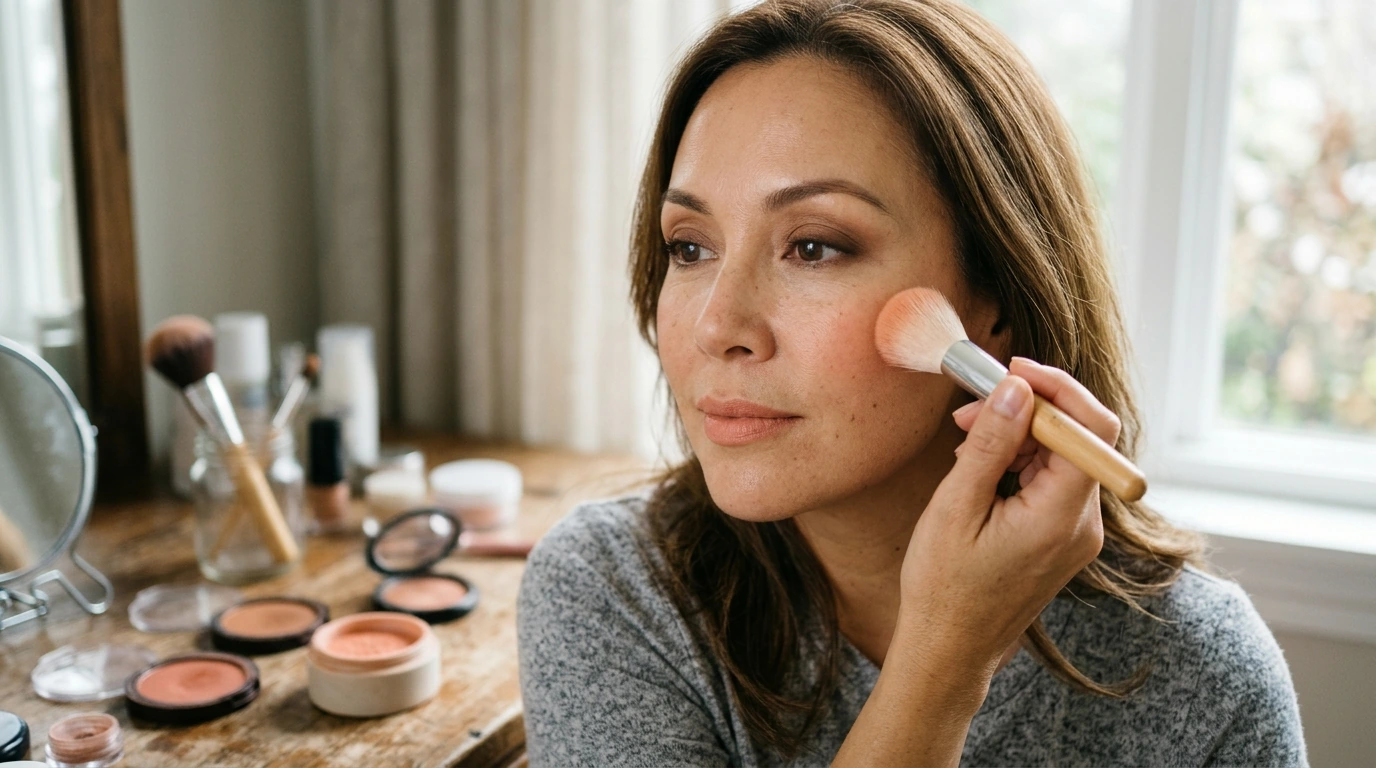
Warm-toned makeup can bring out a soft, natural-looking glow without adding a dozen steps to your morning. The starting point is finding colors you enjoy wearing, then adjusting their depth and finish to suit your skin and your routine. We’ve put together a simple approach you can use whether you’re choosing your first warm blush or rethinking shades you already own.
Start with your undertone, not just your skin depth
Skin depth describes how light or deep your complexion is. Undertone describes the color that seems to show through beneath the surface. Warm undertones often look golden, yellow, or peachy, and they can occur at any skin depth. Two foundations labeled “medium,” for example, may look quite different once you put them on: one might blend in, while the other appears pink or orange.
For a useful comparison, place a few small swatches of complexion makeup along your jaw and look at them in natural daylight. Give each shade a moment to settle, then compare how it meets both your face and neck. A good match should be hard to spot rather than forming a noticeable pink, orange, or gray stripe. If you’re between shades, you can also decide whether you prefer a lighter, sheerer base or more coverage before committing to one.
Jewelry preferences and wrist-vein color can be fun starting clues, but neither has to decide your undertone. How a shade looks on your skin is more useful than a rule about whether you “should” wear gold or silver. And whatever makeup you choose, keep sun protection a separate part of your daytime routine; the American Academy of Dermatology’s sunscreen guidance can help you choose one.
Build a warm-toned color palette
Peach, apricot, terracotta, bronze, copper, caramel, and warm brown are possibilities, not a required shopping list. You might love a quiet peach cheek but find a copper eye too bold for everyday wear. Or you might prefer a strong terracotta lip and little else. Try emphasizing one feature at a time: soft blush can balance a reflective eye, while simple eye makeup gives a vivid lip room to stand out.
| Makeup step | Shades to try | Application tip |
|---|---|---|
| Base | A shade matching your skin depth and undertone | Check the blend at your jaw and neck in daylight. |
| Blush | Peach, apricot, or warm rose | Start lightly and build color where your cheeks naturally flush. |
| Eyes | Bronze, copper, warm brown, or soft gold | Use matte color for definition and shimmer where you want light. |
| Lips | Peachy nude, cinnamon, coral, or terracotta | Compare the shade with your natural lip color before choosing its depth. |
| Highlight | Soft gold or champagne | Apply sparingly if you want a subtle finish. |
Depth can matter as much as the color name. A peach that looks bright in its packaging may appear soft on one person and vivid on another. Rather than treating a label as a guarantee, see how the shade looks when applied the way you plan to wear it. Our team likes starting with a small amount of color; it’s easier to add another layer than to soften an application that feels too strong.
Put together an everyday glow
Begin with skin preparation that feels comfortable to you. Then apply as much—or as little—base as you want. You can leave some areas bare, even out selected spots, or use a more complete base. Add blush next, define your eyes, and finish with lip color so you can judge the balance of the whole look.
For an easy combination, blend warm brown around the eyes, tap peach or apricot onto the cheeks, and choose a lip shade close to your natural lip color. That’s enough for a finished look. When you want more contrast, add a touch of copper shimmer to the eyelids or switch to a deeper cinnamon or terracotta lip. You don’t need to change every step at once.
Pay attention to texture, too. A sheer blush may be easier to build gradually than a highly pigmented one. Satin eyeshadow can give your eyes dimension without the sparkle of a strong shimmer, while a creamy lip color may feel different from a matte formula even in a similar shade. If you’re trying something new, follow its directions and stop using it if it irritates your skin. The FDA’s cosmetics safety Q&A offers broader guidance on cosmetic products.
Make the palette your own
Undertones don’t always fall neatly into “warm” or “cool.” If a pink blush, neutral brown shadow, or any other shade looks good to you, there’s no reason to set it aside because of its label. Your favorite finish, the amount of contrast you like, and the lighting you spend time in all influence how a color feels once you wear it.
If you’d like to continue exploring, our Glow Naturally With Warm Tones digital beauty guide is another option for thinking through warm-toned makeup choices. And if you enjoy making your getting-ready time a calmer ritual, our Meditations for Self-Love & Worthiness audio course is a separate option to explore. Neither is necessary to create a look you like: a well-chosen blush or lip color can be a perfectly good place to start.
FAQ
Can warm skin tones wear pink makeup?
Yes. Peachy pinks and warm roses are easy starting points, but the best pink is one you like against your own skin.
How can I tell if a foundation is too warm?
Compare it along your jaw and neck in natural daylight. If it looks distinctly orange or yellow instead of blending in, try a different undertone or shade.
Do I need every product in a warm-toned palette?
No. Start with one shade or step that appeals to you, then build around products you enjoy using.








Leave a comment