The Everyday Cook’s Kitchen Toolkit for Easier Meals
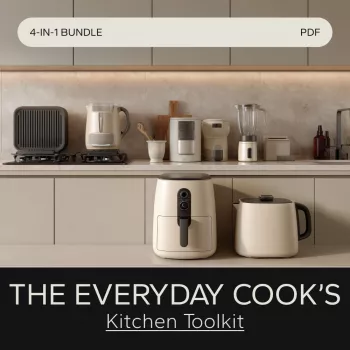
A well-planned kitchen is not about owning every gadget. It is about keeping useful tools close, moving through each task in a sensible order, and making everyday meals feel less hectic. If you want to take a more deliberate look at how you prep, cook, and clean up, our The Everyday Cook’s Kitchen Toolkit is a guide to smart kitchen flow and essential gadgets. Start with the routines you already have, then look for small changes that make them easier.
Start with the path a meal takes
Most meals follow a familiar path: gather ingredients, wash and prep them, cook, serve, and clean up. Notice where you pause or double back along that path. If you regularly cross the kitchen for a cutting board, keeping it nearer your prep area may help. If towels are hard to reach when you are cooking, give them a convenient home.
Keep frequently used items near the tasks they support, but protect a clear stretch of counter for actual prep. A crowded counter can make even simple chopping feel awkward. You do not need to remodel or buy a matching set of organizers to improve the flow. Moving a few tools, clearing a surface, or changing the order in which you start dinner can make your routine steadier.
Choose gadgets by the jobs you do most
Before adding a gadget, name the job you want it to do. Is it a task you handle several times a week, or one you rarely encounter? Would the gadget save meaningful effort compared with a tool you already own? Then consider the less exciting parts: how many pieces need washing, how much storage it takes, and whether you can reach it when you need it. A tool that is difficult to clean or buried at the back of a cabinet may not earn its space.
We suggest building around versatile starting points before adding specialized conveniences. The examples below are general guidance for evaluating your kitchen, not a list of items included with our guide.
| Task | Useful starting point | Question before adding a gadget |
|---|---|---|
| Chopping and prep | A dependable knife and stable cutting board | Will it save meaningful effort over tools already on hand? |
| Measuring and mixing | Measuring tools and a versatile bowl | Is it easy to clean and store? |
| Cooking | Cookware suited to meals you make regularly | Will it work with your stove and storage space? |
| Cleanup | Accessible towels, soap, and food-storage containers | Does it make the end of cooking simpler? |
An optional gadget makes the strongest case when it solves a recurring problem without creating a new cleaning or storage problem. You can also try adjusting your setup first: the tool you need may already be in your kitchen, just not in a useful spot.
Set up for safe, steady cooking
Give yourself a brief pre-cooking check. Clear your work area, set out the tools the meal requires, and leave a place for finished food. As you prep, keep raw foods separate from ready-to-eat ingredients. Wash your hands and clean surfaces as appropriate, particularly after handling raw meat, poultry, seafood, or eggs. When cooking foods that require a safe internal temperature, use a food thermometer rather than relying on appearance alone. These practices reflect the USDA Food Safety and Inspection Service’s four steps to food safety: clean, separate, cook, and chill.
Safety works best as part of the routine, not as an extra task you remember at the end. Place a clean plate where cooked food can go, and keep used prep items from drifting into that space. A little room to work helps you move at a comfortable pace.
Put the toolkit to work on an ordinary weeknight
Imagine you are making a simple dinner after work. First, read the recipe or your own cooking notes all the way through. Gather ingredients, pull out the pan and prep tools you will use, and check whether anything needs time to heat or thaw safely. Clear enough counter space to work, then handle washing and chopping before the busiest part of cooking begins.
Once food is on the stove, use natural pauses to put away ingredients you no longer need and wash a bowl or utensil that will not be used again. Keep the tools for the next step within reach. By the time dinner is ready, you have fewer scattered items to face—but you have not let cleanup distract you from watching the food.
Our The Everyday Cook’s Kitchen Toolkit is a resource for developing your own approach to smart kitchen flow and essential gadgets. Your best setup will depend on the meals you make, the space you have, and the tasks that tend to slow you down.
Make meal planning part of the flow
A short meal plan can connect shopping, prep, and tool choices. Pick a few dinners for the coming days, note ingredients you can use across more than one meal, and identify any prep you can do ahead of time. You will also know which pans, bowls, and storage containers need to be accessible during the week. Keep the plan flexible enough for leftovers or a change of schedule.
If you also want planned meals and recipes, our Healthy Meal Plan & Recipe Collection is an optional companion. Whether you follow a plan or decide dinner day by day, start small: choose one recurring point of friction in your kitchen and improve it before changing everything at once.
FAQ
Do I need a lot of gadgets to improve kitchen flow?
No. Start by arranging the tools you already reach for most often, and add a gadget only if it solves a recurring problem.
What should I consider before buying a kitchen gadget?
Consider how often you will use it, whether another tool already does the job, how easily it cleans, and where you will store it.





Leave a comment